
Women’s health is not only about visiting a doctor once in a while. It is about paying attention to your body every day and noticing even small changes that feel unusual.
Many women ignore early symptoms because of a busy lifestyle or the belief that things like pain, tiredness, or irregular cycles are normal. But ignoring these signs can sometimes lead to bigger health problems later. A private GP clinic can often help identify these issues early with proper checkups and guidance.
This article will help you understand the common women’s health issues you should never ignore in simple language. It will also guide you on what symptoms to watch for and when to seek medical help for better long-term health.
Why Women’s Health Issues Need Immediate Treatment?
Women’s bodies go through continuous biological changes—menstruation, hormonal shifts, pregnancy, and menopause.
Because of this, even small changes in the body can signal something important. Ignoring symptoms can lead to:
- Delayed diagnosis of serious conditions
- Fertility complications
- Chronic pain or long-term discomfort
- Increased risk of infections spreading
- Mental health decline due to ongoing stress or imbalance
Early treatment is not about fear—it is about prevention and control. When health issues are identified early, they are usually easier to treat and manage.
Visiting a women’s health clinic can help ensure proper diagnosis and timely care before problems become serious.
Menstrual Health Problems
Menstrual cycles are a key indicator of a woman’s overall health. Any irregularity should be noticed, especially if it continues for multiple cycles.
Common menstrual issues include:
- Very heavy bleeding (soaking pads frequently)
- Missed or irregular periods
- Severe cramps that affect daily life
- Bleeding between periods
- Extremely short or long cycles
These issues can happen due to stress, hormonal imbalance, thyroid problems, or conditions like PCOS or fibroids.
If your periods suddenly change or become painful, it’s a good idea to speak to a doctor.
Hormonal Imbalance Issues
Hormones control many functions in a woman’s body, including mood, metabolism, reproductive health, and skin condition.
When hormones are not balanced, the effects can be noticeable in different ways. Signs of hormonal imbalance:
- Sudden weight gain or weight loss
- Acne that does not improve
- Excessive hair growth on the face or body
- Constant fatigue
- Mood swings or irritability
- Low or irregular periods
Hormonal imbalance can happen due to stress, thyroid problems, PCOS, or unhealthy lifestyle habits.
If it continues for a long time, it can affect fertility, mood, and overall health. Early essential health checkups for women at different ages can help control it easily.
Reproductive Health Problems
Reproductive health is an important part of a woman’s overall well-being. Any unusual symptoms should be taken seriously.
Common reproductive issues include:
- Pelvic pain or discomfort
- Pain during intercourse
- Unusual vaginal discharge
- Difficulty conceiving
- Irregular ovulation cycles
Conditions such as endometriosis, fibroids, or infections may be responsible.
Many reproductive health conditions start with mild symptoms but can become severe over time. Early diagnosis can protect fertility and reduce complications.
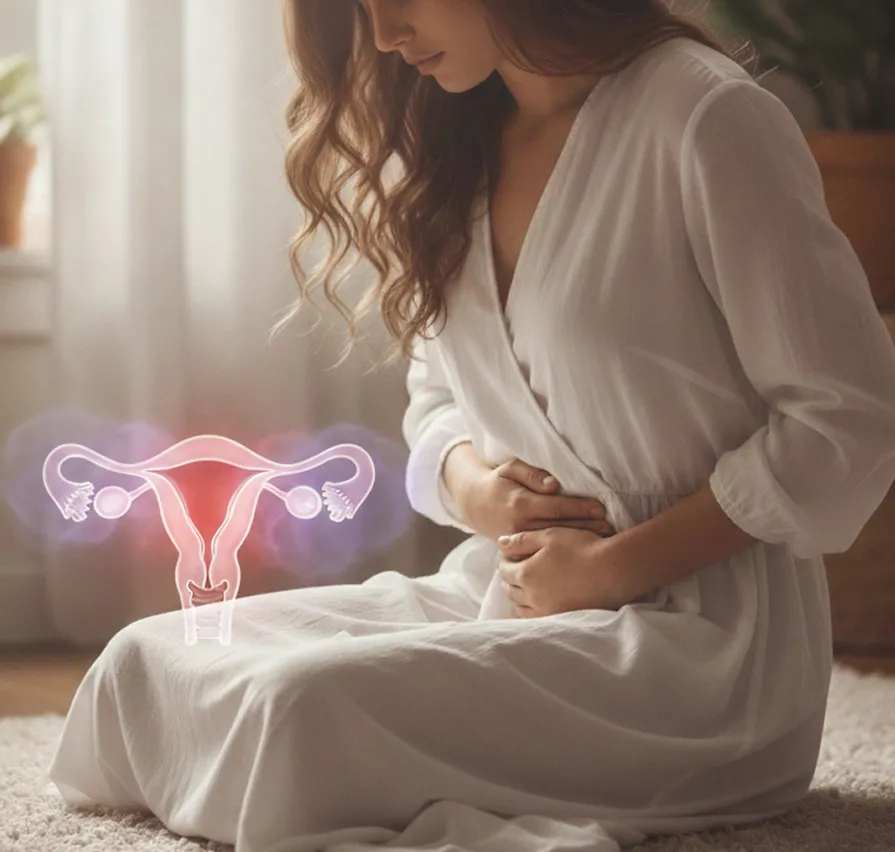
Vaginal and Urinary Issues
Vaginal and urinary health problems are very common but often ignored due to embarrassment or lack of awareness.
Symptoms to watch:
- Burning sensation during urination
- Frequent urge to urinate
- Unusual smell or color in vaginal discharge
- Itching or irritation
- Pain in the lower abdomen
These may indicate urinary tract infections (UTIs), yeast infections, or bacterial imbalances.
If untreated, infections can spread to the kidneys or become recurrent. Proper hygiene and timely medical care can prevent complications.
Breast Health Problems
Breast health is one of the most important areas that requires regular self-checks and awareness.
Warning signs include:
- Lumps or thickened tissue in the breast
- Changes in breast shape or size
- Nipple discharge (especially if unusual)
- Pain in one area that does not go away
- Skin changes like dimpling or redness
These symptoms do not always mean cancer, but they should never be ignored.
Early detection of breast-related conditions significantly improves treatment success. Regular self-examination and routine cancer screenings are very important.
Mental Health Issues in Women
Mental health is just as important as physical health. Women are often more likely to experience stress, anxiety, or depression due to hormonal changes and life responsibilities.
Common mental health symptoms:
- Constant sadness or low mood
- Anxiety or panic attacks
- Loss of interest in daily activities
- Sleep disturbances
- Feeling overwhelmed or emotionally exhausted
Mental health affects every part of life, including physical health, relationships, and productivity. Seeking help early can improve quality of life significantly.
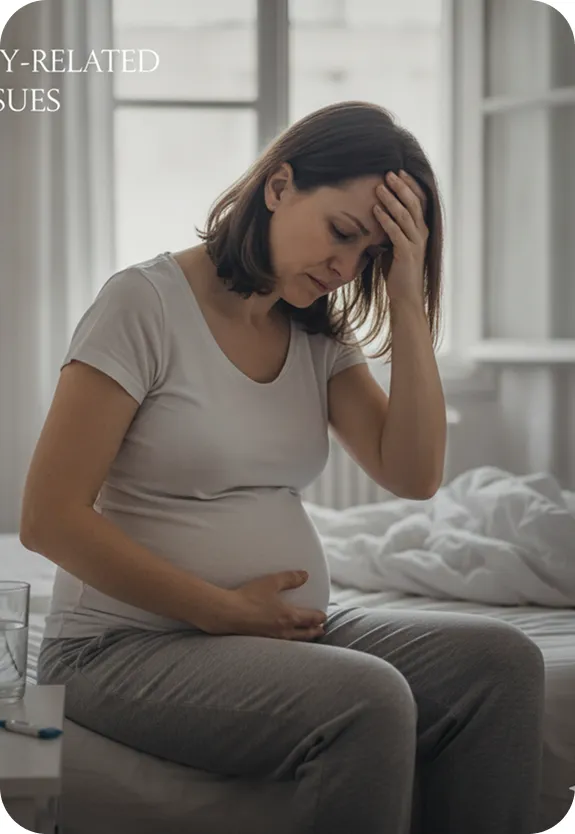
Pregnancy-Related Health Issues
Pregnancy is a sensitive phase that requires close attention to any unusual symptoms.
Warning signs during pregnancy:
- Severe abdominal pain
- Heavy bleeding or spotting
- Severe headaches or vision changes
- Swelling in the hands or face
- Reduced baby movement in later stages
These could indicate conditions such as preeclampsia, infections, or pregnancy complications.
Timely medical attention ensures the safety of both mother and baby. Regular prenatal checkups help detect problems early.
Lifestyle-Related Health Problems
Modern lifestyle habits have a direct impact on women’s health. That why health screenings for adults over 40 are important. Poor diet, lack of exercise, and stress can lead to long-term issues.
Common lifestyle-related concerns:
- Obesity or unhealthy weight changes
- Vitamin deficiencies (especially Vitamin D and Iron)
- Chronic fatigue
- Sleep disorders
- Digestive problems
Lifestyle-related issues may seem minor, but can lead to serious conditions like diabetes, heart disease, or hormonal imbalance if ignored.
Warning Signs You Should Never Ignore
Certain symptoms should always be taken seriously, regardless of their intensity.
Key warning signs:
- Persistent pain anywhere in the body
- Unexplained weight changes
- Continuous fatigue despite rest
- Irregular bleeding
- Sudden changes in mood or behavior
- Unusual lumps or swelling
- Long-lasting infections
If any of these symptoms continue for more than a few days or weeks, you should book a general health checkup immediately.
Prevention and Regular Care
Prevention is always better than treatment. Women can protect their health by following a few simple habits.
Healthy practices include:
- Regular gynecological checkups
- A balanced diet rich in fruits, vegetables, and protein
- Staying hydrated
- Regular physical activity
- Managing stress through relaxation techniques
- Practicing good hygiene
- Tracking menstrual cycles
Tests like Pap smears, breast exams, and blood work help detect issues early, even before symptoms appear.
Final Verdict
Women’s health should never be ignored or delayed. The body always gives signals when something is wrong, and recognizing those signals early can make a huge difference.
From menstrual irregularities to mental health concerns, every symptom matters. Taking care of your health is not just about treating illness—it is about building a strong foundation for a healthy future.
If you notice any unusual changes in your body, do not wait. Early consultation, regular checkups, and healthy lifestyle choices are the best ways to stay safe and healthy.
Your health is your priority, and listening to your body is the first step toward long-term wellbeing.