
Many serious health problems develop quietly in the body without clear symptoms at the start. People often feel completely normal while conditions like diabetes, high blood pressure, or even cancer may already be developing.
Most people only visit a doctor when symptoms appear. By that time, the condition may already be more advanced, leading to harder treatment, higher costs, and avoidable stress. This is why visiting a top GP clinic for regular check-ups can make a real difference in catching issues early.
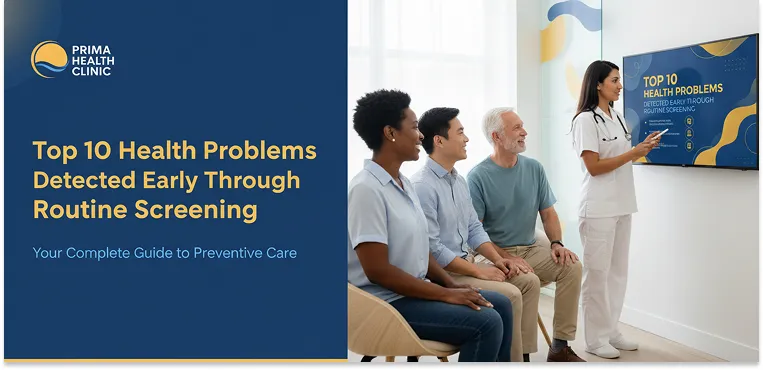
In this guide, you will learn the top 10 health problems detected early through routine screening. You will also understand why regular check-ups matter and how simple tests can help protect your long-term health.
Why Routine Health Screening Matters?
Routine health screening is important not just for people who feel sick. In fact, it is most valuable when you feel healthy.
Many chronic diseases develop slowly over time. Conditions like diabetes, high blood pressure, or even certain cancers can grow silently in the body without obvious symptoms.
Regular full-body screening is a process to help in:
- Detecting diseases early, before complications start
- Preventing long-term damage to vital organs
- Reducing treatment costs by avoiding late-stage care
- Improving survival rates in serious conditions like cancer
- Encouraging healthier lifestyle choices based on results
Think of screening as a “health snapshot” that shows what is happening inside your body before problems become visible.
Health Problems Detected Early Through Routine Screening
Let’s explore the most common health conditions that can be identified early with simple and routine medical tests.
1. High Blood Pressure (Hypertension)
High blood pressure means the force of blood in your arteries is too high. It often has no clear symptoms, so many people don’t know they have it.
A simple check-up can detect it early. Early control helps prevent heart attack, stroke, and kidney damage.
2. Type 2 Diabetes
Type 2 diabetes happens when blood sugar stays too high for a long time. It usually develops slowly without obvious signs.
A blood test can detect it early. Early management can prevent serious complications like nerve and eye damage.
3. High Cholesterol and Cardiovascular Disease Risk
High cholesterol builds up silently in your blood vessels. It can block arteries over time.
A routine blood test can detect it early. Early control reduces the risk of heart disease and stroke.
4. Breast Cancer
Breast cancer starts with abnormal cell growth in breast tissue. Early stages often have no pain or symptoms.
Mammograms can detect it early. Early treatment improves survival chances a lot.
5. Cervical Cancer
Cervical cancer usually develops slowly in the cells of the cervix. In its early stages, there are often no obvious symptoms.
Routine Pap smears and HPV tests can detect abnormal cell changes early. This allows treatment before cancer develops or spreads.
6. Colorectal Cancer
Colorectal cancer starts in the colon or rectum, often from small growths called polyps. These polyps usually do not cause any symptoms at first.
Screening tests like colonoscopy can find and remove polyps early. This can prevent cancer from developing altogether in many cases.
7. Chronic Kidney Disease
Chronic kidney disease develops when the kidneys slowly lose their ability to filter waste from the body. Early stages usually do not show clear symptoms.
Simple blood and urine tests can detect kidney damage early. Early management can slow progression and protect kidney function.
8. Liver Disease (Including Fatty Liver)
Liver disease often develops silently due to poor diet, alcohol use, or metabolic issues. Fatty liver is one of the most common early forms.
Routine liver function tests and scans can detect early damage. With early care, many liver conditions can be improved or even reversed.
9. Osteoporosis
Osteoporosis is a condition where bones become weak over time. It often develops without any noticeable symptoms until a fracture occurs.
Bone density scans can detect early bone loss. Early treatment helps strengthen bones and reduce the risk of fractures.
10. Thyroid Disorders
Thyroid disorders affect how the body uses energy and regulates metabolism. They can develop slowly and often go unnoticed at first.
A simple blood test can detect whether the thyroid is underactive or overactive. Early diagnosis helps restore hormone balance and improve overall well-being.
Benefits of Routine Health Screening
Routine screening is one of the most effective preventive healthcare tools available.
Key benefits include:
- Early diagnosis of hidden diseases
- Better treatment success rates
- Reduced risk of complications
- Improved long-term health outcomes
- Peace of mind about your health status
Instead of reacting to illness, screening helps you stay ahead of it.
Who Should Prioritize Regular Screening?
Everyone can benefit from routine health checks, even if they feel healthy. Many diseases develop silently, so regular screening helps detect problems early.
Some people are at higher risk and should be extra careful. This includes adults over 30–40, smokers, people with obesity, high stress, poor diet, or a family history of chronic diseases.
Women who need reproductive health checks should also follow regular screening. Even if you feel fine, hidden health risks may still be developing without any symptoms.
How Often Should You Get Screened?
The frequency of screening depends on age, health condition, and risk factors.
General guidelines:
- Blood pressure: At least once a year
- Blood sugar: Every 1–3 years (more often if at risk)
- Cholesterol: Every 4–6 years (or more frequently if needed)
- Cancer screenings: Based on age and medical advice
- General health check-up: Once a year
Your doctor may adjust this schedule based on your personal health profile.
Conclusion
Routine health screening is one of the simplest yet most powerful ways to protect your long-term health. Many serious diseases, including cancer, diabetes, and heart disease, begin silently but can be managed effectively when detected early.
The key idea is simple: early detection saves lives.
By making regular health check-ups a part of your lifestyle, you are not just treating illness—you are actively preventing it.
A small step today can lead to a healthier, longer, and more secure future.